Deep Dive
5 Ways To Determine If Your Body Is Ready To Train or Running on Fumes
When people think about fitness, they usually focus on the work they put in the long training sessions, the sweat, and the grind.
But the reality is that your body doesn’t get stronger in the gym.
Strength, endurance, and overall fitness are built in the hours after your training session when you’re recovering.
Recovery is where the magic happens.
It’s when muscle tissue repairs, energy stores refill, and your body adapts to handle more in the future.
Without proper recovery, your training can actually work against you.
You may feel stuck at the same level of performance, constantly tired, or worse heading toward burnout and injury.
That’s why recovery is not just a “nice-to-have.” It’s a necessity.
And tracking your recovery is the smartest way to ensure your body is actually adapting to the work you’re putting in.
The problem? Many athletes simply don’t know how to monitor recovery effectively.
They go by feel, which is useful, but subjective measures alone aren’t enough.
Fortunately, there are simple, science-backed ways to gauge recovery, spot red flags early, and adjust training accordingly.
Below, I’ll share five proven methods I’ve used over the last 12 years with athletes of all levels.
1. Heart Rate Variability (HRV)
Heart Rate Variability, or HRV, measures the variation in time between your heartbeats.
It might sound technical, but it’s one of the most reliable indicators of recovery and overall stress.
A higher HRV usually signals that your body is rested, adaptable, and ready for another hard effort.
A lower HRV indicates fatigue, stress, or incomplete recovery.
Think of HRV as your body’s internal scoreboard.
It tells you how well your system is balancing stress and recovery.
How to Track HRV
- Measure daily, first thing in the morning before you get out of bed.
- Use a smartwatch, chest strap, or HRV-specific device. Most make it automatic.
- Track consistently your personal trends matter more than single readings.
What to look for:
- If HRV stays steady or increases, your recovery is on track.
- If HRV trends downward for several days, your body may be signaling the need for reduced volume, lighter sessions, or extra rest.
Pro tip: Use HRV in combination with other markers (like sleep or soreness).
A single low reading isn’t cause for panic, but a downward trend over time is worth adjusting for.
2. Cyclical Modality Intervals
Numbers don’t lie.
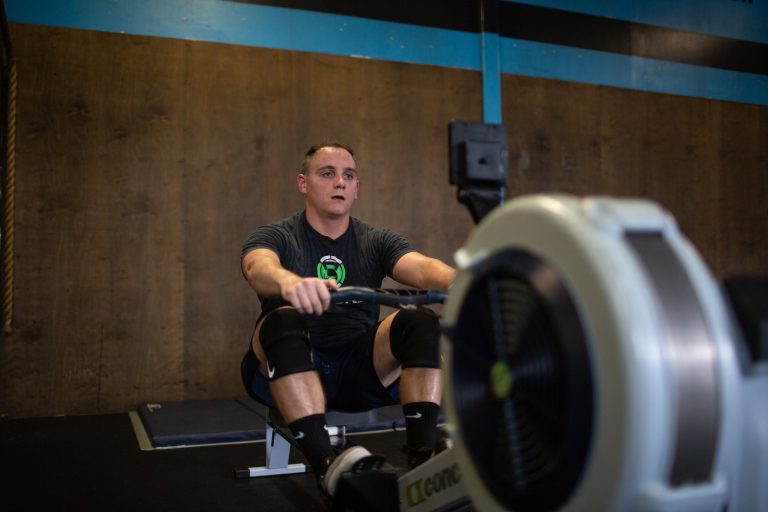
Tracking repeatable workouts, especially in cyclical modalities like rowing, running, or cycling, is one of the most practical ways to measure recovery.
If you repeat a set of 500-meter rows once a week and your times are consistent or improving that’s a good sign.
But if you notice your pace slipping or the same effort feels harder, your recovery may be lagging.
How to Track Performance
- Pick one workout you can repeat consistently (rowing, running, cycling).
- Record time, pace, or power output every week.
- Compare your results across weeks.
What to look for:
- Steady or improved numbers mean your body is adapting and recovering.
- Declining performance, slower pace, more fatigue, or higher effort—signals under-recovery.
Pro tip: Keep conditions as consistent as possible (same equipment, same time of day, similar warm-up) so the data reflects recovery, not outside variables.
3. Grip Strength Testing
Your grip strength says more than you think.
It’s not just about forearms, it’s a quick window into your nervous system.
A strong, steady grip indicates your neuromuscular system is firing well.
A noticeable drop, even if temporary, suggests fatigue or incomplete recovery.
How to Track Grip Strength
- Use a hand dynamometer (a small tool designed to measure grip force).
- Test in the morning before fatigue from your day sets in.
- Record results daily and track trends over time.
What to look for:
- Stable numbers suggest you’re well-recovered.
- Declines signal fatigue, even if you feel fine otherwise.
Pro tip: This test is especially useful before strength-focused sessions.
If your grip strength drops significantly, consider dialing back intensity for the day.
4. Vertical Jump Testing
Jump height is a simple but highly effective way to measure neuromuscular readiness.
When you’re well-recovered, your body can produce explosive power.
When you’re fatigued, jump height usually decreases.
How to Track Vertical Jump
- Perform one standardized test weekly.
- Use chalk or tape against a wall, or a jump mat for accuracy.
- Keep conditions consistent (same warm-up, time of day, and testing method).
What to look for:
- Steady or increasing jump height signals readiness.
- Drops in height suggest fatigue and the need for more recovery before resuming high-intensity work.
Pro tip: Pair this test with subjective measures.
If you feel sluggish and your jump height drops, take that as a strong sign to prioritize recovery.
5. Subjective Recovery Scales
Not all recovery tools require fancy devices.
Sometimes, the most useful feedback comes from paying attention to how you actually feel.
Subjective recovery scales track factors like:
- Sleep quality
- Muscle soreness
- Fatigue
- Mood
- Overall readiness to train
I use these with every client I coach.
Each week, they rate themselves in the CoachRx app.
These simple scores provide a clear picture of how training and recovery are balancing out.
How to Track Subjective Recovery
- Use tools like RESTQ-Sport or POMS, or create your own simple scale (1–10 ratings for sleep, soreness, and energy).
- Track daily or weekly.
- Watch for consistent declines, not just one-off bad days.
What to look for:
- Stable or improving scores = recovery is on track.
- Declines across multiple categories = red flags for overtraining.
Pro tip: Be honest. Some athletes often push through fatigue, but recovery scales only work if you record how you really feel.
Pulling It All Together
The most effective recovery tracking plan usually combines objective data (HRV, performance, grip strength, vertical jump) with subjective feedback (how you feel).
Why?
Because recovery isn’t just physical. Stress, nutrition, and sleep all influence how well you adapt.
Combining both perspectives gives you the most complete picture.
The key is consistency.
Pick at least one method you can track weekly and stick with it.
Over time, you’ll learn what your body’s signals actually mean and how to adjust training accordingly.
Final Thoughts
Recovery is not a passive process it’s an active strategy.
By monitoring it, you’re stacking the deck in your favor.
The payoff is fewer injuries, more consistent performance, and confidence that every training session is moving you forward.
Your workouts only matter if your body can adapt to them.
By tracking HRV, performance trends, grip strength, vertical jump, and/or subjective recovery, you’ll know exactly when to push hard and when to pull back.
Smart recovery doesn’t just help you train harder.
It helps you train longer and stay in the game for years to come.